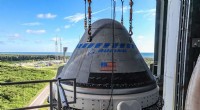
Shape and Size:
* Conical: The capsule was primarily conical, with a rounded top and a slightly flared base.
* Dimensions: It was about 10.5 feet tall and 6 feet in diameter at its widest point.
* Volume: The capsule provided about 16 cubic feet of usable space for the astronaut.
Exterior:
* Heat Shield: The bottom of the capsule was covered with a heat shield made of ablative material. This protected the capsule and the astronaut from the intense heat of re-entry into the Earth's atmosphere.
* Escape Tower: A small, rocket-powered tower was attached to the top of the capsule. This was used for emergency escape during launch.
* Launch Escape System: The capsule was also equipped with a "launch escape system" that could separate the capsule from the rocket if a malfunction occurred during the ascent.
* Antennae: The capsule had several antennae for communication with ground control.
Interior:
* Cockpit: The interior of the capsule was surprisingly spacious, with enough room for the astronaut to sit comfortably.
* Controls: The astronaut controlled the capsule with a variety of switches, buttons, and levers.
* Life Support System: The capsule was equipped with a life support system that provided oxygen, temperature control, and waste management.
* Window: A small window provided the astronaut with a view of the Earth.
Overall:
The Mercury capsule was a relatively small and simple spacecraft, but it was a technological marvel for its time. It was designed to be both safe and reliable, and it played a crucial role in America's early space exploration efforts.
Here are some visual aids:
* Images: Search for "Mercury capsule images" on Google Images.
* Videos: Search for "Mercury capsule launch" or "Mercury capsule landing" on YouTube.
You can find more detailed information on NASA's website about the Mercury program and the capsule.