Weather Radar:
* Strengths:
* Provides detailed information about precipitation types, intensity, and movement.
* Can detect precipitation in real-time, allowing for short-term forecasts.
* Useful for monitoring severe weather events like thunderstorms and tornadoes.
* Limitations:
* Limited to detecting precipitation and other reflective particles like dust and insects.
* Signals are blocked by terrain and other obstacles.
* Limited horizontal range.
Weather Satellites:
* Strengths:
* Global coverage, providing data from remote areas.
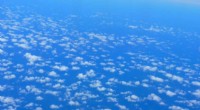
* Detect cloud types, temperature, humidity, and wind patterns.
* Provide images of the atmosphere, which can be used for long-term forecasting.
* Limitations:
* Lower resolution than radar, especially for precipitation.
* Data is not real-time, as it is collected at intervals.
* Cannot see through clouds, limiting the view of the Earth's surface.
Combining Data:
* Complementary Information: By combining radar and satellite data, meteorologists gain a more complete view of the atmosphere. Radar reveals the details of precipitation, while satellites offer a broader perspective on cloud patterns and other atmospheric conditions.
* Improving Accuracy: Combining data sources allows for more accurate forecasts by filling in gaps in information and validating observations.
* Understanding Weather Dynamics: Satellites can provide information about atmospheric circulation patterns, which can be integrated with radar data to predict the movement and evolution of weather systems.
* Example: A meteorologist might use radar to track a thunderstorm's movement and intensity, while a satellite image reveals the broader cloud structure and potential for severe weather. This combined information allows for better storm warnings and forecasting.
Technology:
Meteorologists use sophisticated computer models and software to process and analyze data from both radar and satellites. These tools allow them to visualize data in various formats, identify patterns, and generate forecasts.
In conclusion, combining weather radar and satellite data is crucial for meteorologists to achieve a comprehensive understanding of the atmosphere and provide accurate weather forecasts. This collaboration between different technologies allows them to better predict weather patterns and protect lives and property.