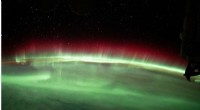
* Atmospheric Distortion: Earth's atmosphere is constantly in motion, causing the light from distant objects to be scattered and distorted. This makes it difficult to obtain clear and sharp images, especially at longer wavelengths.
* Atmospheric Absorption: The atmosphere absorbs certain wavelengths of light, particularly in the infrared and ultraviolet spectrum. This means that ground-based telescopes can't see the full range of light from distant objects.
* Light Pollution: Cities and other sources of artificial light can create a bright background, obscuring faint objects in the night sky.
By placing telescopes above the atmosphere, astronomers can:
* Get clearer images: No atmospheric distortion means sharper, more detailed views.
* See a wider range of wavelengths: Access to the full electromagnetic spectrum allows for a more complete understanding of celestial objects.
* Escape light pollution: A dark, unpolluted environment provides better visibility for faint objects.
In summary, space telescopes offer a superior vantage point for observing distant galaxies, allowing astronomers to gather crucial data that would be impossible to obtain from Earth.