* Gravity: Mars has much weaker gravity than Earth (about 38% of Earth's). This means things weigh less on Mars, and it takes less force to move them.
* Atmosphere: Mars has a very thin atmosphere, which means it has little resistance to movement. This makes it easier for objects to move through the air.
* Surface: The surface of Mars is varied, with some areas being rocky and others being sandy. This affects the strength of materials and how they might react to forces.
So, what does this mean for Mars?
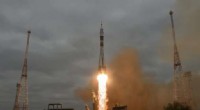
* It's easier to launch rockets from Mars due to the weaker gravity.
* Objects fall much slower on Mars than on Earth.
* The thin atmosphere means there's little wind resistance, making it easier to travel at high speeds.
Strength in the context of Mars might refer to:
* Strength of materials: Scientists study the strength of Martian rocks and soil to understand their properties and how they might be used for future missions.
* Strength of the magnetic field: Mars has a very weak magnetic field compared to Earth, which makes it vulnerable to solar radiation.
In conclusion, Mars is not "strong" in the traditional sense, but it has unique properties that make it interesting for exploration and scientific research.