1. Barometer:
* Types: Mercury Barometer, Aneroid Barometer
* Principle: The classic barometer uses the height of a column of mercury to measure atmospheric pressure. The weight of the air column pushes down on the mercury, causing it to rise in a tube. The height of the mercury column directly reflects the pressure. Aneroid barometers use a flexible metal chamber that expands or contracts with changes in pressure, which is then translated into a visual reading.
* Applications: Measuring absolute atmospheric pressure, forecasting weather, and determining altitude.
2. Pressure Transducers:
* Types: Piezoresistive, Capacitive, Strain Gauge
* Principle: These devices convert pressure into an electrical signal using various physical phenomena like changes in resistance, capacitance, or strain.
* Applications: Measuring pressure in a wide range of applications, from industrial processes to medical devices.
3. Manometer:
* Types: U-tube Manometer, Inclined Manometer
* Principle: This instrument uses the difference in height of a liquid (usually water or mercury) in a U-shaped tube to measure pressure. The pressure difference between the two ends of the tube is proportional to the difference in height.
* Applications: Measuring pressure differences, particularly in closed systems.
4. Differential Pressure Gauges:
* Types: Mechanical, Electronic
* Principle: These gauges measure the difference in pressure between two points. They are commonly used to monitor airflow and pressure drops in various systems.
* Applications: Monitoring air filters, HVAC systems, and industrial processes.
5. Digital Pressure Sensors:
* Types: MEMS (Micro-Electro-Mechanical Systems)
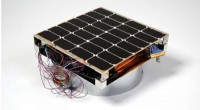
* Principle: These sensors integrate pressure sensing elements with electronics on a small chip, providing accurate and digital output.
* Applications: Portable weather stations, industrial monitoring, and research applications.
Other methods:
* Altimeter: Measures altitude using atmospheric pressure.
* Weather Balloons: Carry instruments to measure atmospheric pressure at various heights.
* Satellites: Provide global pressure data using remote sensing techniques.
The choice of method depends on the specific application and the desired accuracy and precision. For example, a mercury barometer is highly accurate but less portable than a digital pressure sensor.