Here's a breakdown of their descriptions:
Mercury:
* Smallest planet: It's only slightly larger than Earth's Moon.
* Rocky and cratered: Its surface is heavily scarred by impacts from asteroids and comets.
* Very hot and very cold: It has extreme temperature swings, with scorching days and freezing nights due to its thin atmosphere.
* No moons: Mercury has no natural satellites.
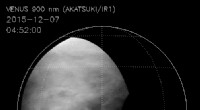
Venus:
* Hottest planet: Its thick atmosphere traps heat, creating a runaway greenhouse effect with temperatures reaching 867°F (464°C).
* Dense atmosphere: It's composed mostly of carbon dioxide and nitrogen, making it incredibly dense.
* Covered in clouds: Its surface is perpetually hidden by thick clouds of sulfuric acid, which reflect sunlight giving it its bright appearance.
* Slow retrograde rotation: Venus spins on its axis in the opposite direction of most other planets.
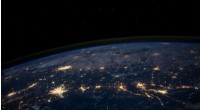
Earth:
* Only known planet with life: Its unique combination of liquid water, a breathable atmosphere, and a suitable distance from the Sun allows for complex life to thrive.
* Blue planet: Its oceans cover about 71% of its surface, giving it its distinctive blue color.
* Active geology: It has plate tectonics, volcanoes, and an active magnetic field.
* One moon: Earth has one natural satellite, the Moon.
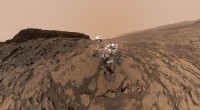
Mars:
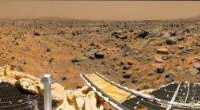
* Red planet: Its surface is covered in iron oxide (rust), giving it its characteristic red color.
* Thin atmosphere: Its atmosphere is very thin and composed mostly of carbon dioxide, making it a cold and arid world.
* Evidence of past water: There is evidence of flowing water in Mars' past, including dried-up riverbeds and canyons.
* Two moons: Mars has two small moons, Phobos and Deimos.
Key characteristics of inner planets:
* Rocky composition: They are primarily made up of rock and metal, unlike the gas giants.
* Smaller size: They are all smaller than the outer planets.
* Higher density: They are denser than the gas giants.
* Fewer moons: They have fewer or no moons compared to the outer planets.
* Stronger gravity: They have a stronger gravitational pull than the outer planets.
These descriptions highlight the key differences and similarities between the inner planets. While they share some common traits, each planet has its own unique features that make it fascinating to study.