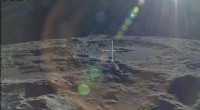
Here's how it works:
* Higher Sun: When the sun is high in the sky (closer to its zenith), the angle between the sun's rays and the ground is greater. This results in a shorter shadow.
* Lower Sun: When the sun is low in the sky (closer to the horizon), the angle between the sun's rays and the ground is smaller. This results in a longer shadow.
Think of it like this:
Imagine a flashlight shining on an object. If you hold the flashlight directly above the object, the shadow will be very small. If you hold the flashlight at a low angle, the shadow will be very long.
Here are some additional points:
* Time of day: The sun's angle changes throughout the day. This is why shadows are shortest at midday and longest at sunrise and sunset.
* Time of year: The sun's angle also varies with the seasons. Shadows will be longer during the winter solstice and shorter during the summer solstice.
* Latitude: Shadows will also be affected by latitude. The higher the latitude, the more extreme the angle changes throughout the year, leading to more dramatic differences in shadow length.
In summary: By observing the length of a shadow, you can get a general idea of the sun's position in the sky.