Phases that *generally* don't emit light:
* Solid: Most solids don't emit visible light on their own. They might reflect light, but they don't produce it.
* Liquid: Similar to solids, liquids typically don't emit light.
* Gas: Gases usually don't emit light unless they're heated to extremely high temperatures (like in a flame).
Phases that *can* emit light:
* Plasma: This is the fourth state of matter, and it's a superheated gas where electrons are stripped from atoms. Plasma emits light due to the energized state of the ions and electrons. Examples include lightning, fluorescent lights, and the sun.
Important Note:
* Incandescence: When a solid or liquid is heated to a high enough temperature, it will glow. This is known as incandescence, and it's how traditional light bulbs work.
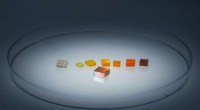
* Fluorescence and Phosphorescence: Some substances emit light when they're exposed to certain wavelengths of light (fluorescence) or after being exposed to light (phosphorescence). This is a different phenomenon than plasma.
In summary:
While most solids, liquids, and gases don't emit light on their own, plasma is a special state of matter that does emit light. Incandescence and fluorescence/phosphorescence are other ways materials can emit light, but these involve specific conditions or properties.