1. Telescopic Observations:
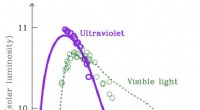
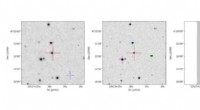
* Ground-based telescopes: Powerful telescopes on Earth can capture images of Neptune in visible, infrared, and ultraviolet light. These images reveal changes in cloud patterns, brightness, and color, which can indicate the presence of storms.
* Space Telescopes: Telescopes like Hubble Space Telescope and the James Webb Space Telescope provide even more detailed views of Neptune, including its atmosphere and cloud structures. These telescopes can detect changes in atmospheric composition and temperature, which are often associated with storms.
2. Studying Neptune's Atmosphere:
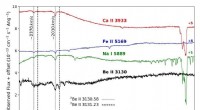
* Spectroscopy: Analyzing the light from Neptune allows scientists to study its atmospheric composition, temperature, and wind speeds. Changes in these properties can reveal the presence of large-scale storms.
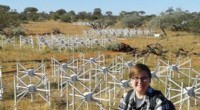
* Radio waves: Neptune emits radio waves that can be detected by Earth-based telescopes. These waves are influenced by the planet's magnetic field and atmospheric activity, providing insights into storms.
3. Studying Neptune's Magnetic Field:
* Magnetic Field Variations: Neptune has a strong magnetic field that is tilted and offset from the planet's rotation axis. Changes in the magnetic field can indicate the presence of large-scale atmospheric disturbances, like storms.
4. Studying Neptune's Rings:
* Ring Interactions: Neptune has a system of faint rings, which can be affected by the planet's atmosphere and storms. Changes in the ring structure or brightness can provide clues about storms.
5. Computer Models:
* Simulations: Scientists develop computer models that simulate Neptune's atmosphere and weather patterns. These models can help predict and understand the development and evolution of storms.
While we can't directly observe Neptune's storms, these methods provide valuable information about their existence, characteristics, and behavior.