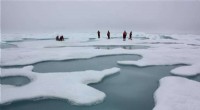
1. The Ice Age: During the last Ice Age, sea levels were significantly lower than they are today. The area where the Blue Hole is now located was dry land.
2. Formation of a Limestone Cave: As rainwater flowed through the area, it dissolved the underlying limestone rock, creating a network of caves and caverns.
3. Sea Level Rise: As the glaciers melted and the climate warmed, sea levels rose dramatically, flooding the land and submerging the cave system.
4. Collapse of the Cave Roof: Over time, the weight of the water above the cave system caused the roof to collapse, creating a massive sinkhole. This process likely occurred in stages, with multiple collapses contributing to the hole's current shape.
5. Erosion and Formation of the Blue Hole: As the sea continued to rise, ocean currents and waves eroded the edges of the sinkhole, smoothing its walls and giving it its distinctive circular shape.
The result is the Great Blue Hole, a breathtaking spectacle of nature, an important dive site, and a testament to the power of geological forces over time.