Here's how it works:
* Sunlight: The sun is a giant ball of hot gas that emits a tremendous amount of light and heat.
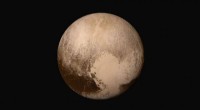
* Planets: Planets are celestial bodies that orbit stars. They don't generate their own light.
* Reflection: When sunlight hits a planet, some of it bounces back towards us. This reflected light is what we see when we look at a planet through a telescope or even with our naked eye.
Think of it like this: Imagine shining a flashlight on a ball. The ball itself doesn't emit light, but we can see it because the flashlight light reflects off its surface. The same principle applies to planets!
The brightness of a planet depends on factors like:
* Distance from the sun: Planets closer to the sun receive more sunlight and therefore appear brighter.
* Size: Larger planets reflect more sunlight and appear brighter.
* Composition: The surface of a planet (rocky, icy, gaseous) affects how much light it reflects.
So, we see planets because they act like giant mirrors, reflecting the sun's light back to us.