1. Scrutiny and Verification:
* Independent Verification: The first step is for other scientists to attempt to replicate the observations. If the results are consistently different from the theory, it raises a red flag.
* Rigorous Analysis: The observations and experimental methods are scrutinized for errors, biases, or flaws. This can involve reviewing the experimental design, data analysis, and even the instruments used.
2. Potential Outcomes:
* Refine the Theory: The theory might need to be adjusted or modified to accommodate the new observations. This is a normal part of scientific progress. Think of it like building a house – you might need to make changes to the blueprints if you encounter unexpected terrain.
* Develop a New Theory: If the discrepancies are substantial and cannot be reconciled with the existing theory, it might lead to the development of a completely new theory that better explains the observations.
* Challenge the Assumptions: The observations could force scientists to re-examine the fundamental assumptions underlying the theory. This could lead to new insights and a deeper understanding of the phenomenon being studied.
3. The Importance of Doubt:
* Science is Self-Correcting: It's crucial to remember that scientific theories are never considered absolute truths. They are constantly being tested and refined based on new evidence.
* Healthy Skepticism: A scientist's willingness to question their own assumptions and challenge existing theories is essential for scientific progress.
Example:
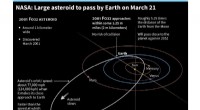
Imagine a scientist studying the movement of planets. Their observations don't align with the existing theory of gravity. This could lead to:
* Refining the Theory: Perhaps a small adjustment to the gravitational constant is needed to account for the discrepancies.
* New Theory: The observations could suggest the presence of a new force or particle that influences the planets' motion, leading to a new theory of gravity.
In Summary:
When observations don't match a scientific theory, it's not a failure, but rather an opportunity for deeper understanding. It's a chance to refine, revise, or even revolutionize our understanding of the natural world.