- Typically large in size, with Jupiter and Saturn being the largest in our solar system
- Are primarily made up of hydrogen and helium gases, with no solid surface
- Have more extensive and thicker atmospheres than Terran planets
- Have rocky cores hidden deep beneath their thick atmospheres
- Possess multiple layers of clouds, including ammonia and water vapor
- Have strong magnetic fields and emit intense amounts of radiation due to their rapid rotation
- Have numerous moons in their orbit, most notably Jupiter's Galilean moons (Io, Europa, Ganymede, and Callisto)
- Are classified into two categories: gas giants (Jupiter and Saturn) and ice giants (Uranus and Neptune) based on their composition and temperature differences.
- Contain massive amounts of liquid under their gaseous layers, often referred to as "metallic hydrogen" or "molecular hydrogen"
Terran planets:
- Typically smaller and denser compared to Jovian planets
- Are predominantly made up of solid rocks and metals
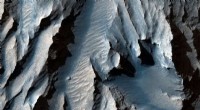
- Have rocky surfaces with varied landscapes, such as mountains, canyons, volcanoes, etc.
- Possess thin atmospheres compared to Jovian planets
- Have a clear separation between their solid surfaces and their atmospheres
- Have diverse surface temperatures, ranging from very hot to freezing
- Exhibit smaller magnetic fields and radiation levels
- Have significantly fewer moons in their orbit compared to Jovian planets
- Have more variations in their surface features, including the presence of water, continental drift, and plate tectonics
- Include Mercury, Venus, Earth, and Mars in our solar system