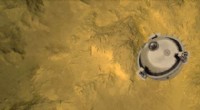
1. Expanding Our Knowledge: Space probes and exploration missions provide crucial data and information about celestial bodies, planets, and cosmic phenomena that would be otherwise inaccessible from Earth. By sending probes to distant destinations, scientists can study these celestial objects up close, observe their unique features, and gather valuable insights into their composition, geology, atmosphere, and potential habitability.
2. Searching for Life: Space probes play a significant role in the search for extraterrestrial life. By analyzing the conditions on other planets, moons, and celestial bodies, scientists can identify environments that might support microbial or even complex life forms. Exploring potentially habitable environments aids in understanding the origins of life and the possibility of life beyond our planet.
3. Resource Exploration: Space probes can help identify valuable resources in space that can potentially be utilized in the future. These resources could include minerals, water ice, and energy sources that may be crucial for sustaining future space missions or even establishing human outposts in space. Exploring and assessing the resources available beyond Earth opens up new possibilities for economic expansion and sustainability.
4. Technological Advancements: Space probe missions drive technological advancements in various fields. The design, development, and operation of these probes require cutting-edge technologies in engineering, materials science, robotics, telecommunications, and computing. These innovations have far-reaching applications and benefits that go beyond space exploration, contributing to fields such as healthcare, transportation, and environmental monitoring.
5. Inspiration and Education: Space probes and exploration missions capture the public's imagination and inspire young minds to pursue careers in science and technology. Sharing discoveries, images, and data from these missions generates excitement about space exploration, encourages scientific inquiry, and fosters a sense of wonder about the universe. Educational outreach programs related to space missions enhance scientific literacy and prepare future generations for careers in STEM fields.
6. International Collaboration: Space probes often involve international collaboration among scientists and engineers from different countries. This fosters cooperation and exchange of knowledge, breaking down barriers and promoting peaceful relations between nations. Collaborating on space missions encourages cross-cultural understanding and provides a platform for addressing global challenges collectively.
7. Long-Term Sustainability: Space exploration expands human presence beyond Earth, providing a perspective on our planet as a part of a larger cosmic ecosystem. By exploring and understanding the universe, we gain a deeper appreciation for our place in it and may become more mindful stewards of our own planet.
In summary, space probes and exploration are essential for expanding our scientific knowledge, searching for extraterrestrial life, exploring potential resources, driving technological advancements, inspiring future generations, promoting international collaboration, and cultivating a broader perspective on our place in the universe. Their contributions have a profound impact on our understanding of the cosmos and shape the course of human exploration and innovation for the future.