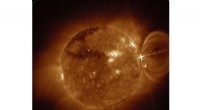
1. Solar System: The Earth orbits the Sun, the center of our Solar System. The Solar System is a small part of the Milky Way galaxy, consisting of the Sun, eight planets, dwarf planets, moons, asteroids, comets, and meteoroids.
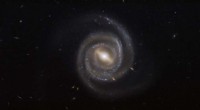
2. Milky Way Galaxy: The Milky Way is a spiral galaxy, containing billions of stars, gas, dust, and dark matter. It is estimated to be about 100,000 light-years in diameter and contains between 200-400 billion stars. The Sun is located about 27,000 light-years from the center of the Milky Way.
3. Local Group: The Milky Way is part of a group of galaxies called the Local Group. The Local Group contains about 50 galaxies, including the Andromeda Galaxy (the largest galaxy in the Local Group), the Triangulum Galaxy, and several dwarf galaxies.
4. Supercluster: The Local Group is part of the Virgo Supercluster, which contains thousands of galaxies. The Virgo Supercluster is one of the largest structures in the universe, spanning over 100 million light-years.
5. Universe: The universe is the entirety of space and time, including all of the matter and energy that exist. It is vast and contains an immense number of galaxies, stars, planets, and other celestial objects. The observable universe, which is the portion of the universe that can be observed with our current technology, is estimated to be about 93 billion light-years in diameter.
The Earth is a tiny speck in the vastness of the universe, but it is a unique and fascinating place that we call home. By understanding our place in the universe, we gain a deeper appreciation for the grandeur and complexity of the cosmos.