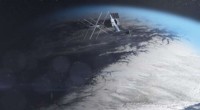
The ionosphere is divided into three regions: the D region, the E region, and the F region. The D region is the lowest region and is characterized by a high concentration of electrons and ions produced by the absorption of solar radiation by ozone molecules. The E region is the middle region and is characterized by a high concentration of electrons and ions produced by the absorption of solar radiation by oxygen molecules. The F region is the highest region and is characterized by a high concentration of electrons and ions produced by the absorption of solar radiation by nitrogen molecules.
The ionosphere is a dynamic region and is constantly changing. The concentration of electrons and ions in the ionosphere varies with the time of day, the season, and the solar cycle. The ionosphere is also affected by geomagnetic storms, which can cause disruptions to radio communications.
Here are some of the things that can be found in the ionosphere:
* Electrons
* Ions
* Ozone molecules
* Oxygen molecules
* Nitrogen molecules
* Radio waves
* Geomagnetic storms