1. Compositional Influence:
- Meteors are extraterrestrial objects that originate from various sources in our solar system, such as asteroids, comets, or fragments from larger bodies.
- The specific composition of a meteor depends on its source, but magnesium is a commonly found element in many meteor types.
- Magnesium is a lightweight metal with the chemical symbol "Mg" and atomic number 12. It is abundant in the Earth's mantle but relatively rare in the crust.
- The presence of magnesium in a meteor can influence the overall chemical composition and mineralogical makeup of the object.
- For instance, some meteors known as "stony-iron" or "siderolite" meteorites contain a mixture of rocky material (e.g., silicates) and metallic components, including magnesium-rich minerals like olivine or pyroxene.
2. Ablation and Heating:
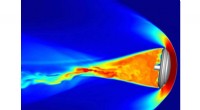
- When a meteor enters Earth's atmosphere, it experiences intense heating due to friction with air particles, resulting in ablation.
- The presence of magnesium in a meteor can influence its ablation behavior.
- Magnesium is a relatively low-melting-point metal, melting at around 650 degrees Celsius (1202 degrees Fahrenheit).
- As the meteor experiences increasing heat during atmospheric entry, magnesium is among the first elements to vaporize and melt.
- The vaporization and ablation of magnesium contribute to the formation of a glowing plasma layer around the meteor, increasing its luminosity.
- This incandescence often leads to the visual effects known as meteors or fireballs.
3. Ionization and Metal Trails:
- The high temperatures generated during atmospheric entry cause the vaporized magnesium atoms in a meteor to become ionized.
- Ionization is the process where electrons are stripped from atoms, leaving them positively charged.
- Ionized magnesium atoms form a trail of glowing, ionized gas behind the meteor as it moves through the atmosphere.
- These trails can persist for several seconds or even minutes, depending on the size and composition of the meteor.
- The color of the trails can also provide clues about the composition of the meteor, with magnesium often producing a greenish or bluish glow.
4. Formation of Meteorites:
- Not all meteors completely disintegrate in the atmosphere. Some larger objects may survive the intense heating and reach the ground as meteorites.
- The presence of magnesium in a meteor can influence the likelihood and characteristics of meteorite formation.
- Magnesium is a relatively volatile element, meaning it has a higher tendency to vaporize during atmospheric entry.
- Therefore, meteors with high magnesium content might have a reduced chance of surviving atmospheric heating to become meteorites compared to objects with lower magnesium content.
- However, if a magnesium-rich meteor does reach the ground as a meteorite, it can provide valuable insights into the composition of its parent body and the processes that occurred during its formation.
In summary, the presence of magnesium in meteors affects their composition, contributes to ablation and heating during atmospheric entry, produces glowing metal trails, and influences the likelihood and characteristics of meteorite formation. Studying magnesium in meteors helps scientists understand the diverse nature of extraterrestrial objects and gain insights into the origins and evolution of our solar system.