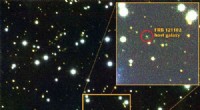
In the context of astronomy and cosmology, the universe refers to the totality of all observable objects and phenomena in the cosmos, including stars, galaxies, planets, nebulae, and other celestial bodies. The observable universe is the part of the universe that can be observed by telescopes and other scientific instruments, and it is estimated to be about 93 billion light-years across.
In a more philosophical or metaphysical sense, the universe can also refer to the totality of all that exists, including not only the physical world, but also the mental and spiritual realms. This broader definition of the universe is often found in religious and philosophical discussions, and it encompasses the concept of a higher power or divine being.
The term "universe" is derived from the Latin word "universus," which means "the whole world" or "the entire cosmos." It is a vast and complex concept that has been studied and debated by scientists, philosophers, and theologians for centuries, and it continues to be a source of wonder and fascination for people all over the world.