- Nitrogen (N2): Approximately 78%
- Oxygen (O2): Approximately 21%
- Argon (Ar): Approximately 0.93%
- Carbon dioxide (CO2): Approximately 0.04%
- Trace amounts of other gases, including neon, helium, methane, and nitrous oxide.
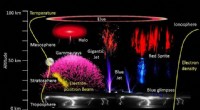
These gases form layers in the atmosphere based on their density and temperature. The lowermost layer, closest to the Earth's surface, is called the troposphere. It contains most of the atmosphere's mass and is where weather phenomena occur. Above the troposphere is the stratosphere, which contains the ozone layer that protects the Earth from harmful ultraviolet (UV) radiation from the sun. The mesosphere and thermosphere are the outermost layers of the atmosphere.
Overall, the composition of the atmosphere is crucial for sustaining life on Earth. Nitrogen and oxygen are essential for plant and animal life, respectively. Carbon dioxide acts as a greenhouse gas, regulating the Earth's temperature. Other gases, although present in smaller amounts, also play key roles in atmospheric processes and the survival of organisms.