Wishing on Stars: One common superstition is making a wish upon seeing a shooting star. It is believed that if you make a wish as a shooting star passes, it will come true. This practice is especially popular during meteor showers.
Astrology and Zodiac Signs: Astrology is an ancient practice that associates the positions of celestial bodies, including stars, with human affairs. People born under certain zodiac signs are believed to have specific personality traits and destinies based on the constellations that align with their birth dates.
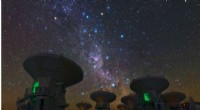
Stargazing and Predictions: In some cultures, stargazing and the observation of certain celestial events are believed to provide insights into future events or predict important life changes. For example, the appearance of a new star might be interpreted as a sign of a new beginning or a significant shift.
Good Luck and Fortune: Certain star formations or constellations are considered to bring good luck or prosperity. For instance, the sighting of the Pleiades star cluster is often associated with good fortune, while the appearance of the北斗七星(Big Dipper) is regarded as a symbol of protection in Chinese tradition.
Navigation and Direction: In the absence of modern navigation technologies, stars were used for centuries to guide travelers and sailors across long distances. The positioning of certain stars, such as the 北斗七星(North Star), was crucial in determining direction and aiding navigation.
Religious Symbolism: In various religious and spiritual traditions, stars are endowed with symbolic meanings. In Christianity, for instance, the three wise men were guided to the birthplace of Jesus by a star. In Hinduism, certain star formations are associated with deities and are worshipped as sacred objects.
Superstitions and Warnings: Some superstitions associate stars with bad omens or warnings. For example, in certain cultures, a sudden change in the brightness of a star is interpreted as a sign of impending misfortune or death.
It's important to note that these are just a few examples, and the beliefs and practices surrounding stars vary significantly across cultures and traditions. Superstitions about stars reflect the intricate relationship between humans and the celestial realm and the significance we attach to these cosmic phenomena.