1. Choose a Dark Observation Site:
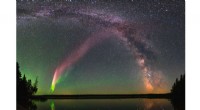
- Select a location away from city lights and other sources of light pollution. A dark sky will significantly improve the visibility of stars and other objects.
2. Set Up the Telescope:
- Assemble your telescope according to the manufacturer's instructions.
- Ensure that the telescope is stable and securely mounted on a tripod.
- Attach any necessary accessories, such as eyepieces, a Barlow lens, or a smartphone adapter for astrophotography.
3. Learn the Basic Parts of the Telescope:
- Familiarize yourself with the telescope's optical tube, eyepieces, focuser, and mount. Understanding how each part functions will help you use the telescope effectively.
4. Align the Finder Scope:
- The finder scope is a small telescope attached to the main telescope. It helps you locate and center celestial objects. To align the finder scope, point the telescope at a distant terrestrial object during the daytime and adjust the finder scope's position until the object is centered in both the main telescope and the finder scope.
5. Observe Celestial Objects:
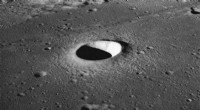
- Start by observing bright, easy-to-locate objects such as the moon, Venus, or Jupiter.
- Use the lowest power eyepiece initially, which provides a wider field of view, making it easier to find objects.
- Once you've located an object, you can switch to higher power eyepieces for more detailed observations.
6. Use a Star Chart or App:
- To help you identify stars, planets, and other objects, use a star chart or a mobile app that shows the night sky.
7. Adjust the Focus:
- Use the focuser to adjust the sharpness of the image until you achieve the best possible focus.
8. Observe Safely:
- Never point the telescope at the sun without proper solar filters. Doing so can cause severe eye damage.
9. Be Patient and Practice:
- Stargazing and observing celestial objects requires patience. Take your time to learn the night sky and experiment with different techniques to improve your observations.
Remember, the National Geographic telescope is a great tool for exploring the wonders of the night sky. With practice, you'll be able to enjoy breathtaking views of stars, planets, galaxies, and more. Happy stargazing!