1. Latitude: The latitude of a location affects which constellations and stars are visible. As you move from one latitude to another, the Earth's curvature causes different parts of the sky to become visible. For example, observers near the equator can see stars and constellations that are not visible to those in the Northern or Southern Hemispheres.
2. Time: The time of day and year also impacts how the night sky appears. The Earth's rotation and orbit around the Sun cause the stars to rise and set at different times, leading to varying celestial arrangements throughout the night and across the seasons.
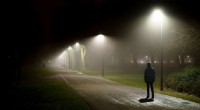
3. Urbanization: Light pollution from cities and urban areas can significantly alter the visibility of stars and other celestial objects. Urban skywatchers often have difficulty seeing fainter objects due to the overwhelming brightness of artificial light.
4. Weather: Weather conditions can also affect the appearance of the night sky. Clouds, rain, and other weather phenomena can block or obscure the view of celestial bodies.
5. Altitude: Being at a higher elevation, such as on a mountaintop, can provide better viewing conditions and reveal more stars due to the reduced atmospheric interference.
Overall, while the night sky contains many common elements across the globe, its specific appearance varies based on factors like location, time, urbanization, weather, and altitude.