1. Radiation Exposure: Space is filled with high levels of radiation from various sources, including solar flares, cosmic rays, and particles trapped in the Earth's magnetic field. Prolonged exposure to radiation can cause cellular damage, DNA mutations, and an increased risk of developing cancer. Astronauts on missions outside the Earth's protective atmosphere are particularly vulnerable to this hazard.
2. Microgravity: Prolonged exposure to microgravity (or weightlessness) in space can have adverse effects on the human body. It can lead to muscle atrophy, bone loss, fluid shifts, and changes in cardiovascular function. Astronauts need to engage in regular exercise and perform specific countermeasures to mitigate these effects.
3. Loss of Pressure and Oxygen Deprivation: Spacecraft and space stations maintain pressurized and oxygenated environments to sustain human life. Loss of pressure or failure of oxygen systems can be catastrophic, leading to asphyxiation within minutes. Constant monitoring of pressure levels and efficient oxygen supply systems are essential for survival.
4. Space Debris: Space debris refers to various objects that are orbiting the Earth, such as defunct satellites, pieces of rockets, and other man-made remnants. These objects can collide with spacecraft at high speeds, causing significant damage or even destruction. Regular monitoring and tracking of space debris are crucial for avoiding collisions.
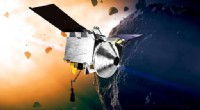
5. Meteoroids and Asteroids: Space is also home to natural objects like meteoroids (small pieces of rock or metal) and asteroids (larger celestial bodies). Although rare, impacts by these objects can be catastrophic, potentially damaging or even destroying spacecraft and posing a severe threat to astronauts.
6. Isolation and Psychological Stress: Spending long periods in isolation and confinement in space can take a toll on psychological well-being. Factors such as separation from loved ones, limited privacy, monotonous environments, and the constant stress of demanding tasks can lead to mental health issues like depression and anxiety.
7. Technical Malfunctions: Space missions involve complex machinery and systems that operate in extreme environments. Technical failures or malfunctions of any critical components, such as power systems, propulsion, navigation, or life support systems, can endanger the safety of the crew.
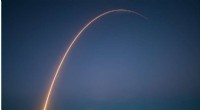
8. Launch and Re-Entry Phase: The launch and re-entry phases of space missions are also particularly hazardous. Tremendous forces and high temperatures associated with launch and the intense heat generated during re-entry into the Earth's atmosphere can pose risks to astronauts and spacecraft.
9. Spacewalks: Astronauts who venture outside the spacecraft for spacewalks are exposed to the harsh space environment, including extreme temperatures, radiation, and the absence of atmospheric pressure. They must rely on spacesuits and follow strict safety protocols to prevent injury or death during these operations.
10. Human Error: Last but not least, human error remains a significant risk in space missions. Despite rigorous training, fatigue, stress, and the demands of the space environment can lead to human mistakes that can have serious consequences.
Understanding these dangers and implementing comprehensive safety measures is crucial for minimizing risks and ensuring the success and safety of space exploration missions.