Here are some additional factors that contribute to the visibility of stars at night:
1. Darkness: The absence of sunlight during the night creates a dark background against which the faint light of the stars can be seen. During the day, the brightness of the sun's light overpowers the light from the stars, making them difficult to see.
2. Atmospheric conditions: The clarity and transparency of the Earth's atmosphere also play a role in star visibility. Clear nights with minimal atmospheric interference, such as clouds, dust, or pollution, allow for better visibility of stars.
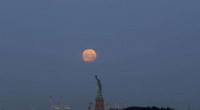
3. Location: The location of an observer can affect the visibility of stars. Factors such as light pollution from urban areas, elevation above sea level, and proximity to celestial bodies like the moon can impact how well stars can be observed.
4. Stellar brightness: The intrinsic brightness of a star also influences its visibility. Brighter stars, such as Sirius or Vega, are more easily visible than dimmer stars.
5. Magnitude: Astronomers use a system called apparent magnitude to measure the brightness of stars as seen from Earth. Stars with lower magnitudes appear brighter than those with higher magnitudes. The lower the magnitude, the easier it is to see a star.
6. Constellations: Stars often form patterns called constellations. These constellations can make it easier to identify and recognize different stars in the night sky.
By understanding the various factors mentioned above, we can better appreciate and enjoy the spectacle of stars in the night sky.