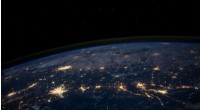
1. Satellites: Space travel made possible the launch of satellites, which revolutionized communication, weather forecasting, mapping, remote sensing, and many other fields.
2. Microelectronics: The compact size and reliability requirements of spacecraft necessitated the development of miniaturized electronic components and integrated circuits, leading to the rapid advancements in microelectronics.
3. Solar Panels: The need for continuous power in space led to the development of efficient and lightweight solar panels, which have since found widespread applications on Earth for renewable energy.
4. Water Filtration Systems: Technologies developed for water purification in space have led to improvements in water filtration systems used in diverse applications, including disaster relief, portable water filters, and even home water treatment.
5. Freeze-Dried Foods: Freeze-drying techniques originally used for preserving food for space missions have become widely adopted in the food industry for a variety of products.
6. Fire-Resistant Materials: Research on materials that can withstand the extreme temperatures encountered during space travel resulted in the development of fire-resistant and heat-resistant materials used in industries such as aerospace, construction, and firefighter protective gear.
7. Artificial Intelligence (AI) for Image Analysis: The need to analyze vast amounts of data from satellite imagery and space probes drove advancements in AI and machine learning techniques, which are now widely used in various fields.
8. Orthopedic Materials and Techniques: Innovations in materials and techniques for bone repair in microgravity conditions have contributed to advancements in orthopedic treatments for bone injuries and diseases.
These inventions and advancements have had a profound impact not just on space exploration, but also on society as a whole, often finding applications in medicine, engineering, environmental science, communication, and many other areas beyond the initial space-related purposes.