1. Microgravity Experiments:
- Materials Science: Experiments aimed at understanding how materials behave in the absence of gravity, contributing to advancements in fields like crystal growth and metallurgy.
- Fluid Physics: Studies on fluid dynamics and flow patterns under microgravity conditions, useful in advancing understanding of fluid behaviors in various industries and natural phenomena.
2. Life Sciences:
- Plant Growth: Investigations into plant growth and responses to space environments, providing insights into sustainable food production systems for long-term space missions and potential applications in harsh terrestrial conditions.
- Animal Studies: Research on animals like mice, rats, and even water bears (tardigrades) to understand the physiological and behavioral effects of microgravity, leading to advancements in human space health.
3. Earth Observation:
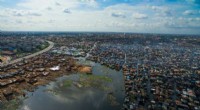
- Remote Sensing: Experiments utilizing the ISS's unique vantage point to study Earth's climate, weather patterns, land use, resources, and other environmental aspects.
- Earth Science: Investigations focusing on Earth's atmosphere, climate change, natural disasters, and human impacts, contributing to better understanding and management of our planet.
4. Biotechnology:
- Protein Crystallography: Studies of protein structures and crystallization in microgravity, enabling advancements in drug development and understanding complex molecular processes.
- Gene Expression: Research on how genes express and regulate in space environments, providing insights into genetic changes and potential implications for human health during extended spaceflight.
5. Advanced Technologies:
- Robotics and Automation: Testing and demonstration of robotic systems, drones, and autonomous technologies for potential use in future space missions and exploration endeavors.
- Artificial Intelligence (AI) and Machine Learning: Experiments evaluating AI and machine learning algorithms to aid astronauts with tasks such as equipment monitoring, malfunction diagnosis, and scientific data analysis.
6. Human Physiology and Health:
- Cardiovascular Health: Studies on the cardiovascular system's response to microgravity, helping understand the risks associated with prolonged space travel and developing countermeasures.
- Bone Density: Investigations into the loss of bone density and mineralization during spaceflight, leading to the development of exercise and nutrition protocols for maintaining bone health.
7. Space Weather Studies:
- Auroral Observations: Experiments monitoring Earth's auroras from space, providing insights into space weather phenomena and their impact on satellite communications and navigation.
- Solar Activity: Studies of the Sun's radiation, flares, and coronal mass ejections to better predict and mitigate the effects of space weather events on astronauts and spacecraft.
These experiments contribute significantly to our understanding of the universe, the impacts of space environments on living organisms and technology, and the development of innovative solutions for Earth and future space missions.