Here are some reasons why the Moon is not a source of light:
1. It doesn't emit light: Unlike the Sun, the Moon doesn't generate its light through nuclear fusion or other energy-producing processes. It doesn't have the internal energy sources necessary to emit light on its own.
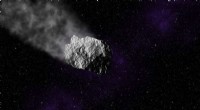
2. Reflects sunlight: The Moon's surface is covered with a layer of dust and rocks, which are composed of various minerals and elements. When sunlight hits the lunar surface, these materials scatter and reflect the sunlight in all directions. This reflection is what we see when we look at the Moon from Earth.
3. Phases of the Moon: As the Moon orbits Earth, different portions of its surface are illuminated by the Sun. This results in the different phases of the Moon that we observe from Earth, such as the new moon, crescent moon, full moon, and waning moon. These phases occur due to the changing angles between the Sun, Earth, and the Moon.
4. Composition and Surface Characteristics: The Moon lacks an atmosphere, and its surface is predominantly rocky and dusty. It doesn't have the necessary gases or conditions to sustain combustion or other chemical reactions that could produce light.
5. Lunar Eclipses: During a lunar eclipse, Earth blocks the sunlight from reaching the Moon, causing the Moon to appear dark or reddish. This further demonstrates that the Moon itself does not emit light and relies on sunlight for its visibility.
In summary, the Moon is not a source of light because it doesn't emit its light. It reflects sunlight, and the amount of reflected sunlight we see depends on the Moon's position relative to the Sun and Earth, giving rise to the different phases of the Moon.