- 8 planets: Mercury, Venus, Earth, Mars, Jupiter, Saturn, Uranus, and Neptune
- 10 planets: Adding Pluto and the newly discovered dwarf planet Eris, considered planets by some astronomers
- Thousands of moons: Moons orbiting planets, including Earth's Moon, Jupiter's moons, and Saturn's moons
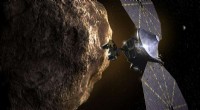
- Millions of asteroids: Small rocky bodies orbiting the Sun, mostly in the asteroid belt between Mars and Jupiter
- Billions of comets:Icy objects that orbit the Sun in highly elongated orbits, some visible from Earth with the naked eye
- Trillions of meteoroids: Tiny particles of rock and ice in the Solar System, often forming meteor showers when they enter Earth's atmosphere
The number of celestial bodies continues to grow as new objects are discovered and categorized.