Martian Meteorites: Several meteorites have been identified as originating from Mars. These meteorites are believed to have been ejected into space due to impacts or other geological processes on Mars, and subsequently arrived on Earth. The total mass of Martian meteorites found on Earth is estimated to be around 200 kilograms. Notable examples include the NWA 7034 meteorite and the Allan Hills 84001 meteorite.
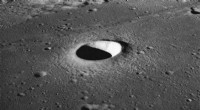
Lunar Meteorites: Lunar meteorites are pieces of the Moon that have been ejected into space and eventually found their way to Earth. These meteorites provide valuable information about the geology and composition of the Moon. The total mass of lunar meteorites is estimated to be around 100 kilograms. Notable examples include the Apollo 15 green glass meteorite and the Dhofar 019 meteorite.
Asteroidal Meteorites: These meteorites are believed to have originated from asteroids, which are rocky bodies in the Solar System that are larger than small meteoroids but smaller than planets. Asteroidal meteorites are generally stony or metallic in composition. Notable examples include the Chelyabinsk meteorite, which caused widespread damage in Russia in 2013, and the Tagish Lake meteorite, which fell in Canada in 2000.
These various types of meteorites offer scientific insights into the composition and history of different celestial bodies within the Solar System. They provide valuable samples for studying the geological processes and materials present on other planets, moons, and asteroids.