Here are the main cloud types and their characteristics:
Cirrus: High-altitude clouds made of ice crystals, thin, wispy, and appear feathery.
Cirrocumulus: High-altitude clouds that appear as small, white tufts or ripples.
Cirrostratus: High-altitude clouds that form a thin, whitish veil covering the sky.
Altocumulus: Middle-altitude clouds that appear as gray or white, puffy masses.
Stratocumulus: Low-altitude clouds that form a layer of gray or white, rounded masses.
Stratus: Low-altitude clouds that form a uniform, gray layer covering the sky.
Nimbostratus: Dark, low-altitude clouds that produce steady precipitation.
Cumulus: Puffy clouds with flat bases that develop vertically.
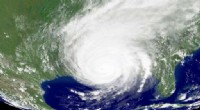
Cumulonimbus: Towering clouds with a cauliflower-like shape, associated with thunderstorms.
Clouds of the Genus Calvus (Calvus clouds): Cumulus or Stratocumulus clouds with a distinct protuberance or dome in their upper part.