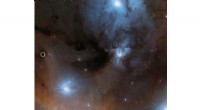
1. Venus: In many cultures, Venus is known as the "Evening Star" or "Morning Star" due to its prominent appearance in the sky before sunrise or after sunset. In ancient times, Venus was often associated with goddesses or important celestial figures due to its remarkable brilliance.
2. Sirius: Sirius, the brightest star in the night sky, holds significant importance in various cultures. In ancient Egypt, Sirius was associated with the god Osiris and was believed to signal the flooding of the Nile. It also marked the start of the Egyptian calendar and was considered a harbinger of good fortune.
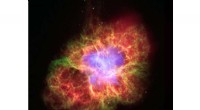
3. Supernova: A supernova is a rare and powerful stellar explosion that can produce a temporary super bright star in the sky. Supernovas have been recorded in historical texts and are often associated with significant cultural or religious events.
4. Astronomical Event: The appearance of an unusually bright star may also indicate an astronomical event such as a comet, a nova, or even the rare occurrence of a planet aligning with the Sun to create a dazzling spectacle.
5. Cultural Symbolism: In astrology, the placement and brightness of celestial objects can be interpreted as symbols or indicators of personal or collective events. Different cultures may have their own unique narratives and interpretations associated with bright stars.
It's important to note that the significance of a super bright star in the western sky can vary widely depending on the observer's geographical location, cultural background, and personal beliefs.