1. Lunar Phases:
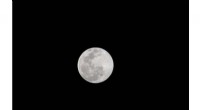
- During certain lunar phases, particularly the First Quarter and Third Quarter, the Moon appears approximately half-illuminated by sunlight. This results in a distinct grayscale appearance, where one half of the Moon is lit and the other half is in shadow.
2. Earth's Atmosphere:
- The Earth's atmosphere can affect the color of the Moon. When there is a significant amount of dust, pollution, or moisture in the atmosphere, it can scatter and absorb sunlight, giving the Moon a grayish or hazy appearance. This effect is often seen near urban areas or during dust storms.
3. Lunar Eclipses:
- During a lunar eclipse, the Moon passes through the Earth's shadow, causing it to be deprived of direct sunlight. As a result, the Moon's surface appears dark and gradually turns a reddish-gray color. This phenomenon occurs only during specific alignments of the Sun, Earth, and Moon.
4. Moon's Surface Composition:
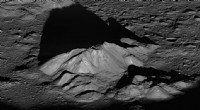
- The Moon's surface is predominantly covered in gray-colored dust, rocks, and minerals. While some areas may appear brighter due to the reflection of sunlight, the overall appearance can be described as gray.
It's worth noting that the Moon's color can vary based on the observer's location on Earth, the time of day, and atmospheric conditions. Therefore, the appearance of a gray Moon is not a cause for concern but rather a natural occurrence influenced by various factors.