1. Composition:
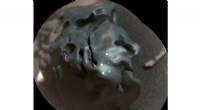
- Meteors: Meteors are small, rocky or metallic debris that originate from asteroids, comets, or the Moon. They typically have a rocky composition, often with some metal content such as iron or nickel.
- Asteroids: Asteroids are larger than meteors and have a more varied composition. They can be rocky (carbonaceous asteroids), metal-rich (metallic asteroids), or be composed of a mix of rock and metal. Some asteroids have unique compositions such as clay minerals (phyllosilicate asteroids) or even water ice (icy asteroids).
2. Size:
- Meteors: Meteors are generally smaller than asteroids. They range in size from tiny particles (micrometeoroids) to larger objects up to a few meters in diameter.
- Asteroids: Asteroids are larger than meteors. While there is no strict size limit, asteroids are generally defined as objects larger than one meter in diameter. Some asteroids are quite large, with some measuring hundreds of kilometers across.
3. Orbit:
- Meteors: Meteors are often associated with meteor showers, which occur when the Earth passes through a trail of debris left behind by a comet or an asteroid. Meteors orbit the Sun like other objects in the solar system, but their orbits can be perturbed by the gravitational influence of planets or other objects.
- Asteroids: Asteroids generally follow stable orbits around the Sun. Most asteroids are located in the asteroid belt between Mars and Jupiter, although some have orbits that take them closer to the Sun or out to the outer solar system.
4. Behavior in Space:
- Meteors: Meteors often enter Earth's atmosphere at high speeds and disintegrate due to friction, creating streaks of light in the sky that we see as shooting stars. Larger meteors can explode in the atmosphere, creating a bright fireball or even a sonic boom.
- Asteroids: Asteroids do not typically enter Earth's atmosphere. Instead, they move along their orbits around the Sun, and some can potentially cross paths with Earth's orbit. In such cases, asteroids may pose a risk of impact with our planet.
In summary, meteors and asteroids differ in their composition, size, origin, and behavior in space. Meteors are small space debris that often disintegrate upon entering Earth's atmosphere, while asteroids are larger objects with distinct compositions and orbits that may or may not intersect with Earth's path.