Atmospheric Turbulence: As starlight travels through the Earth's atmosphere, it encounters pockets of air with varying temperatures, densities, and movements. These variations cause the light rays to bend and change direction slightly. This phenomenon, known as atmospheric turbulence, creates a shimmering effect, making the star appear to twinkle.
Refraction: When starlight passes from the vacuum of space into the denser layers of the Earth's atmosphere, it undergoes a process called refraction. Refraction causes the light rays to bend as they enter the atmosphere and bend again as they exit. These changes in the direction of the light rays contribute to the twinkling effect.
Dispersion: The Earth's atmosphere also disperses or separates the different colors of starlight due to varying degrees of refraction. This dispersion creates slight color changes in the twinkling stars.
Scintillation: The combination of atmospheric turbulence, refraction, and dispersion leads to a phenomenon known as scintillation. Scintillation is the rapid fluctuation in the brightness and position of a star as seen from Earth. The variations in the intensity of the light waves create the illusion that the stars are twinkling.
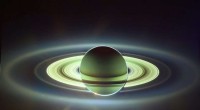
It's important to note that the twinkling of stars is primarily an optical effect caused by our atmosphere. In reality, stars shine continuously without actually twinkling. The distance to the stars, their brightness, and atmospheric conditions all contribute to how noticeable the twinkling effect is. Planets, which are much closer to Earth, usually appear to shine steadily because their light is less affected by atmospheric turbulence.