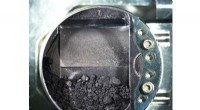
Most meteors completely disintegrate and vaporize in the atmosphere before reaching the Earth's surface. Only larger meteors, called meteorites, survive the intense heat and impact the ground. The vast majority of meteorites that land on Earth are very small, often just a few grams or ounces in weight. Larger meteorites are much rarer and can create significant impact craters.
Here's what typically happens to shooting stars and meteors:
- As a meteor enters the Earth's atmosphere, it encounters extreme friction and pressure. This causes the meteor to heat up rapidly and become extremely bright.
- The intense heat melts or vaporizes most of the meteor's material. Smaller meteors typically burn up completely before reaching the ground.
- Larger meteors may not completely disintegrate and can reach the ground as meteorites. Meteorites can vary greatly in size, from tiny fragments to massive objects weighing several tons.
The vast majority of meteors disintegrate in the atmosphere, so it is quite rare for meteorites to impact the Earth. Nevertheless, over time, a substantial amount of extraterrestrial material has reached our planet, contributing to our understanding of the composition and history of the solar system.