1. New Moon: During this phase, the moon is not visible from Earth because it is positioned between the Earth and the Sun. The entire moon is in shadow.
2. Waxing Crescent: After the New Moon, the moon starts to become visible as a thin crescent in the western sky just after sunset. The illuminated portion increases each day.
3. First Quarter (Waxing Gibbous): Half of the moon is illuminated and appears as a half-moon in the sky. This phase occurs roughly one week after the New Moon.
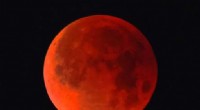
4. Full Moon: The entire face of the moon is illuminated and appears as a bright, round circle in the night sky. It occurs when the Earth is positioned between the Sun and the moon.
5. Waning Gibbous: After the Full Moon, the illuminated portion of the moon starts to decrease, and it appears as a gradually shrinking half-moon in the eastern sky before sunrise.
6. Third Quarter (Waning Crescent): Only half of the moon is illuminated, but this time it is the right half visible from the Northern Hemisphere. The illuminated portion continues to decrease.
7. Waning Crescent: The moon's illuminated portion becomes thinner and forms a crescent shape in the eastern sky just before sunrise.
The cycle of moon phases repeats itself roughly every 29.5 days. By observing the shape and position of the moon in the sky, you can identify the current moon phase. To stay updated on the current moon phase, you can refer to astronomy websites, calendar apps, or consult almanacs.