Home
Chemistry
Astronomy
Energy
Nature
Biology
Physics
Electronics
Science
>>
Science Discoveries
> >>
Astronomy
Understanding Moons in Astronomy: Definition & Examples
A celestial body that orbits around a planet. Some planets that have significant or well-known moons include our Earth, Jupiter, Saturn, Uranus, and Neptune.
Arcminute in Astronomy: Definition, Calculation & Usage
Neutron Stars: The Universe's Densest Objects Explained
Astronomy
60 Years Strong: How the Parkes Radio Telescope Continues to Pioneer Space Science
Eclipse Soundscapes: Enhancing Solar Eclipse Experiences for the Visually Impaired
Astronomers Discover Two New Double‑Lined Spectroscopic Binary White Dwarfs
Science Discoveries
New Insights into Caspase‑7: Unlocking Cell Death’s Role in Infection Defense
Arecibo Observatory Scientists Decode Sudden Asteroid Threat
NASA Satellite Captures Stunning Image of Tropical Cyclone Ella
Science Discoveries
Chemistry
Astronomy
Energy
Nature
Biology
Physics
Electronics
Geology
Solar Eclipse
Math
other
Nanotechnology
Astronomy
Why the Moon Takes Center Stage in a Total Solar Eclipse
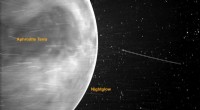
Venus’s Nightglow Revealed by Parker Solar Probe, Astonishing Skywatchers
Why Silence Is Essential for Radio Astronomy in Western Australia's Remote Desert
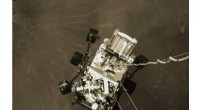
NASA's Perseverance Rover Breaks Records on Mars Mission
ESA Prepares Aeolus Satellite for Spaceflight with Thermal‑Vacuum Test
Comet Dust: Unveiling the Solar System’s Ancient History
|
Geology
|
Math
|
Solar Eclipse
Science Discoveries © www.scienceaq.com