Terrestrial Planets:
1. Mercury: Mercury is closest planet to the Sun and is relatively small, roughly the size of Earth's moon. It is primarily composed of iron and nickel and has a very thin atmosphere.
2. Venus: Venus is very close to Earth in size, but it has a very different atmosphere. Its atmosphere is extremely dense and composed mostly of carbon dioxide, making it the hottest planet in the solar system.
3. Earth: Earth is the only known planet in the universe that supports life as we know it. It has a diverse and relatively thin atmosphere, as well as liquid water on its surface.
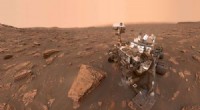
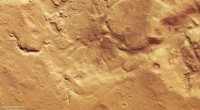
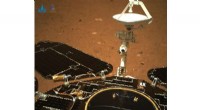
4. Mars: Mars is the fourth closest planet to the Sun and is often called the "Red Planet" because of its iron-rich soil. It is smaller than Earth but has a similar geological history, including evidence of past water activity.
Gas Giants:
5. Jupiter: Jupiter is the largest planet in the solar system and is primarily made of hydrogen and helium. It has a massive and dense atmosphere, as well as a strong magnetic field. Jupiter is known for its large and complex weather system, including the famous Great Red Spot.
6. Saturn: Saturn is the second largest planet in the solar system and is famous for its beautiful rings, which are primarily made of ice and rock. Saturn also has a thick atmosphere and a complex weather system.
7. Uranus: Uranus is unique in that it rotates on its side and is primarily made of hydrogen, helium, and other gases. It has a cold atmosphere and a complex magnetic field.
8. Neptune: Neptune is the farthest planet from the Sun and is composed primarily of hydrogen, helium, and methane. It has a very cold and dynamic atmosphere, including the Great Dark Spot, a large storm system that was observed by the Voyager 2 spacecraft in 1989.