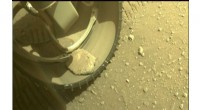
* Composition: Inner planets primarily composed of rock and metal due to their proximity to the sun and intense heat
* Atmosphere:
* Mercury: Extremely thin atmosphere composed mainly of oxygen, sodium, and potassium
*Venus: Thick atmosphere (97% carbon dioxide) with high surface pressure and temperature due to a runaway greenhouse effect
* Earth: Nitrogen-rich atmosphere with oxygen and trace gases, supporting life and regulating climate
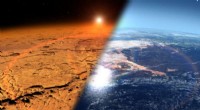
* Mars: Thin atmosphere (95% carbon dioxide) with low surface pressure and a dusty environment
Outer Planets (Jupiter, Saturn, Uranus, Neptune)
* Composition: Predominantly made up of gas and ice due to their distance from the sun and lower temperatures.
* Atmosphere:
* Jupiter: Massive hydrogen-helium atmosphere, with bands and storms like the Great Red Spot. Contains trace gases like methane and ammonia.
* Saturn: Similar to Jupiter's composition but with a prominent ring system.
* Uranus: Unique atmosphere containing mostly hydrogen and helium but also significant amounts of methane, giving it a blue appearance.
* Neptune: Atmosphere dominated by hydrogen and helium with a noticeable blue coloration due to methane absorption.
Key differences:
* Composition: Inner planets are rocky, while outer planets are gaseous and icy
* Atmosphere Thickness: Inner planets generally have thinner atmospheres, while outer planets have thick, gaseous atmosphere.
* Greenhouse Effect: Inner planets like Venus have a strong greenhouse effect due to carbon dioxide, while outer planets have less pronounced greenhouse effects.
* Temperature and Pressure: Outer planets are generally colder with lower temperatures and pressures compared to inner planets
* Cloud Formation: Outer planets often have complex and dynamic cloud formations due to their composition atmosphere conditions