Aristarchus of Samos (c. 310 - c. 230 BCE):
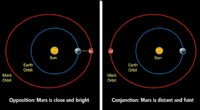
- Heliocentrism: Aristarchus proposed that the Sun, rather than the Earth, was at the center of the universe and that the Earth revolved around the Sun. Although this concept wasn't widely accepted at the time, it was a groundbreaking idea that laid the foundation for Copernicus's heliocentric theory centuries later.
Claudius Ptolemy (c. 100 - c. 170 CE):
- Geocentric Model: Ptolemy developed the geocentric model of the universe, which placed the Earth at the center with the Sun, Moon, and planets orbiting it in circular paths called epicycles. This model was widely accepted and dominated astronomical thought for over a thousand years.
Eratosthenes of Cyrene (c. 276 - c. 194 BCE):
- Measurement of Earth's Circumference: Eratosthenes devised a method to estimate the circumference of the Earth by observing the different angles at which the Sun was seen from different latitudes. His calculations were remarkably accurate for the time.
Hipparchus of Nicaea (c. 190 - c. 120 BCE):
- Trigonometric Methods: Hipparchus developed sophisticated trigonometric methods for accurately calculating the distances and positions of celestial bodies. He introduced concepts such as chords and the Hipparchus Table to solve astronomical problems.
- Precession of the Equinoxes: Hipparchus discovered the precession of the equinoxes, the gradual shift in the position of the equinoxes over time due to the Earth's axial tilt.
These theories and contributions by Greek astronomers represented significant advancements in the understanding of the cosmos. Their methods and ideas paved the way for future scientific discoveries and laid the groundwork for modern astronomy.