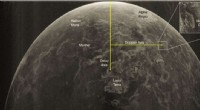
Rainfalls may have occurred on prehistoric Titan, carving riverbeds, and sculpting its surface. In 2019, NASA's Cassini spacecraft made the exciting discovery of large branching structures that resemble dried riverbeds near Titan's equator, suggesting that the moon once experienced substantial liquid precipitation. These fluvial features are indicative of surface modification processes that are not related to Titan's current methane-based weather.
It's important to note that the rainfall on Titan is not caused by water. Titan's atmosphere is composed primarily of nitrogen, with small amounts of methane and other gases. The liquid that falls on Titan is thought to be composed primarily of liquid hydrocarbons, such as methane and ethane. This organic rainfall has been suggested as a potential explanation for the formation of the moon's extensive dune fields and lakes of liquid hydrocarbons.