For example:
_1) Stratospheric Weather:_ The stratosphere, which lies above the troposphere and extends up to about 50 kilometers (31 miles), can also experience weather-related phenomena. For instance, the formation and movement of polar stratospheric clouds (PSCs) occur in the stratosphere. These clouds play a role in stratospheric chemistry, including the ozone depletion process.
_2) Mesospheric Weather:_ In the mesosphere, which extends from about 50 to 85 kilometers (31 to 53 miles) above the surface, there can be various types of meteorological activities, including the formation and propagation of mesospheric clouds and phenomena such as noctilucent clouds, which are thin and tenuous clouds that occur during summer months at high latitudes.
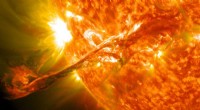
_3) Thermospheric Weather:_ The thermosphere, which is the highest layer of the Earth's atmosphere and extends beyond 85 kilometers, experiences significant weather-related phenomena. For example, the interaction of solar radiation with the upper atmosphere causes auroras, the beautiful light displays that occur near the Earth's magnetic poles. Additionally, the thermosphere is where many space weather effects, such as geomagnetic storms and solar flares, occur.
Therefore, while the troposphere is the most significant layer for weather that affects our daily lives, it is not the exclusive region for all types of weather phenomena. Weather and atmospheric processes can take place in various layers of the atmosphere, from the lower troposphere to the upper thermosphere.