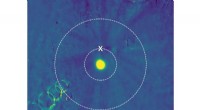
The study, published in the journal Nature Geoscience, used satellite data to measure the movement of the ground across the creeping section of the San Andreas Fault. The researchers found that the fault is slipping at a rate of about 25 millimeters per year, which is enough to prevent the buildup of strain that could lead to a large earthquake.
This finding could have implications for earthquake forecasting in other areas along the San Andreas Fault, as it suggests that creeping sections of the fault may be less likely to produce large earthquakes than previously thought. However, the researchers caution that more research is needed to confirm this hypothesis.
The San Andreas Fault is a major fault line that runs through California. It is capable of producing large earthquakes, such as the 1906 San Francisco earthquake, which killed over 3,000 people and destroyed much of the city. The creeping section of the San Andreas Fault is located in Parkfield, California, and is about 35 kilometers long. It has been slipping gradually for over 150 years, and scientists have been expecting it to produce a large earthquake at some point.
The new study suggests that the gradual slipping of the creeping section of the San Andreas Fault may be preventing the buildup of strain that could lead to a large earthquake. This finding could have implications for earthquake forecasting in other areas along the San Andreas Fault, as it suggests that creeping sections of the fault may be less likely to produce large earthquakes than previously thought. However, the researchers caution that more research is needed to confirm this hypothesis.