Nitrogen dioxide (NO2) is a gas that is released into the air from power plants, factories, and vehicles. It is a major contributor to smog and can cause respiratory problems such as asthma and bronchitis.
The COVID-19 pandemic has caused a significant reduction in human activities, including travel, commerce, and manufacturing. As a result, NO2 levels have decreased in many parts of the world.
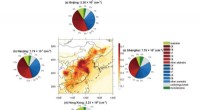
For example, in China, NO2 levels dropped by 25% in the first two months of 2020 compared to the same period in 2019. In Europe, NO2 levels fell by 40% in some cities during the early stages of the pandemic.
The decrease in NO2 levels has had a positive impact on air quality and public health. In China, the drop in NO2 levels is estimated to have prevented approximately 12,000 premature deaths in the first two months of 2020.
The improved air quality has also been beneficial for wildlife. In some cities, there have been reports of animals returning to areas that were previously too polluted for them to survive.
However, it is important to note that the improvements in air quality due to the COVID-19 pandemic are likely to be temporary. Once the pandemic is over and human activities return to normal, NO2 levels are expected to increase again.
In order to maintain the improvements in air quality that have been achieved during the pandemic, it will be necessary to take measures to reduce our reliance on fossil fuels and transition to more sustainable forms of energy.