The images were captured by Cassini's imaging system and show a dynamic and colorful aurora borealis above the planet's northern hemisphere. The auroras change in intensity, color, and shape over time, providing scientists with a valuable opportunity to study the processes that drive them.
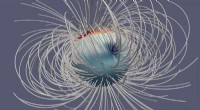
Auroras on Saturn are thought to be caused by a combination of factors, including the interaction of the solar wind with the planet's magnetic field, and the presence of charged particles in the atmosphere. The solar wind, a stream of charged particles emitted by the sun, interacts with the magnetic field of the planet, creating a region of charged particles called the magnetosphere. The magnetosphere is a highly dynamic region, and its interactions with the solar wind can generate the aurora borealis.
The Cassini mission has been studying Saturn and its moons since 2004, providing scientists with valuable information about the planet, its atmosphere, and its many moons. The new images of Saturn's "northern lights" are just one example of the valuable data that the mission has provided.