About the Quadrantids
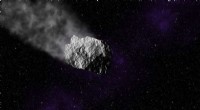
The Quadrantids are a unique meteor shower associated with the small asteroid 2003 EH1, which may be a fragment of a larger comet. Unlike most meteor showers, which are caused by debris left behind by comets, the Quadrantids originate from an asteroid.
The shower gets its name from the constellation Quadrans Muralis, which no longer exists in modern constellations. However, the radiant point - the location in the sky from where the meteors appear to originate - is still near the border of the constellations Boötes and Draco.
Peak Viewing
The Quadrantids are known for their brief but intense activity. The shower typically peaks within a few hours, and this year, the best time to view them is expected to be between midnight and 2 am Eastern Standard Time (EST) on the morning of January 4, 2023.
During the peak, observers can expect to see up to 100 meteors per hour under ideal viewing conditions. The meteors are known for their bright fireballs that often leave persistent trains across the sky.
Viewing Tips
To maximize your chances of witnessing the Quadrantids meteor shower, follow these tips:
1. Find a Dark Location: Choose a viewing spot away from bright city lights and other sources of light pollution.
2. Let Your Eyes Adjust: Allow your eyes to adapt to the darkness for at least 15-20 minutes to enhance your night vision.
3. Be Patient: Meteor showers can be unpredictable, so be patient and give it some time for the meteors to appear.
4. Lie Down or Recline: Find a comfortable position, such as lying down or reclining in a lawn chair, to get a wider view of the sky.
5. Don't Use Optical Aids: Binoculars or telescopes are not necessary and may limit your field of view.
Weather Outlook
The weather forecast plays a crucial role in determining the visibility of the Quadrantids. Before heading out, check the local weather forecast to ensure clear skies over your location.
Share Your Experience
If you capture any stunning photographs of the Quadrantids meteor shower, share them on social media using the hashtag #Quadrantids2023. Let's spread the joy of this celestial event with the world!
Mark your calendars for the night of January 3-4, 2023, and get ready to witness the dazzling display of the Quadrantid meteors. Don't miss this captivating astronomical event that nature has in store for us!