What We Knew Before Curiosity:
1. Water on Mars: Evidence from various missions, including Mars Odyssey and Mars Reconnaissance Orbiter, suggested the existence of past water activity on Mars, such as dried riverbeds, ancient lakebeds, and polar ice caps.
2. Thin Martian Atmosphere: Mars has a very thin atmosphere compared to Earth, primarily composed of carbon dioxide (CO2).
3. Surface Composition: Spectroscopic observations indicated the presence of various minerals and elements on the Martian surface, including iron oxides (rust), clay minerals, and sulfates.
4. Past Climate Changes: It was known that Mars likely experienced significant climate changes over time, potentially leading to different environmental conditions in the past.
5. Possibility of Organic Molecules: Some spacecraft detected potential organic molecules in the Martian atmosphere and soil, raising questions about the potential for past or present life.
What Curiosity Revealed:
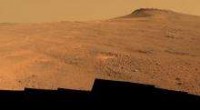
1. Diverse Ancient Environment: Curiosity discovered a wide range of geological features and chemical evidence, indicating that Gale Crater was once filled with water and possibly experienced periods of habitable conditions billions of years ago.
2. Minerals Supporting Past Habitability: The rover found evidence of minerals like hematite and jarosite, which form in environments with liquid water and are associated with potentially habitable conditions.
3. Ancient Organic Molecules: Curiosity detected organic molecules in Martian rocks, strengthening the case for further investigation into the potential for past life.
4. Climate History and Water Cycles: By analyzing geological features and mineral compositions, Curiosity helped scientists understand the water cycles and climate changes that occurred in the past on Mars.
5. Weather Phenomena and Mars' Atmosphere: The rover's instruments provided insights into the weather patterns, dust storms, and seasonal variations on Mars, advancing our knowledge of the planet's current atmospheric conditions.
6. Radiation Environment: Curiosity's measurements of radiation levels on the Martian surface helped assess potential hazards for future human missions.
7. Habitats for Potential Microbial Life: The rover identified regions within Gale Crater that could have provided habitable conditions for microbial life and preserved potential biosignatures.
Curiosity's findings significantly contributed to our understanding of Mars, particularly regarding the planet's past water activity, geological history, and the possibility of past or present habitable environments. The rover's discoveries paved the way for future explorations and continue to inform scientists' quest to unravel the mysteries of the Red Planet.