By: [Your Name]
Date: [Date]
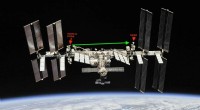
In an effort to achieve self-sufficiency and enhance their diet, astronauts aboard the International Space Station (ISS) are experimenting with growing their own vegetables. This ambitious project known as " Veggie," aims to provide astronauts with fresh, nutritious greens, while also addressing the challenges of growing plants in the microgravity environment of space.
The Veggie Experiment
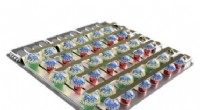
The Veggie experiment utilizes a specialized plant growth system that creates optimal conditions for plant growth. This system consists of a growth chamber, lighting, and an automated watering mechanism. Astronauts carefully select seeds that are well-suited for space travel and have a short growth cycle.
Overcoming Challenges
Growing plants in space poses unique challenges. The microgravity environment means that plants do not experience the same gravitational force as on Earth, which affects root development and plant orientation. Additionally, the ISS has specific temperature and humidity levels, requiring careful monitoring to ensure the plants' survival.
Benefits of Growing Crops in Space
Despite these challenges, the benefits of growing crops in space are significant. Fresh produce provides essential nutrients and vitamins that are often lacking in pre-packaged space food. Cultivating plants also helps astronauts maintain a sense of normalcy during their extended missions.
Results and Future Prospects
The Veggie experiment has yielded successful harvests of various leafy greens, including lettuce and mizuna. Astronauts have enjoyed incorporating these fresh greens into their meals, enhancing their overall well-being. The success of the Veggie project opens up possibilities for future space missions, ensuring that astronauts have access to a sustainable source of fresh produce.
As space exploration continues to advance, the ability to grow crops in space becomes increasingly important. By pushing the boundaries of agricultural science, astronauts are not only experimenting with futuristic food production methods but also contributing to our understanding of sustainable practices in challenging environments.