Here's a more detailed explanation of the various factors contributing to California's dry spell:
1. Natural Climate Variability: California experiences periodic cycles of wet and dry years. The state's climate is heavily influenced by the Pacific Ocean, particularly atmospheric patterns such as the El Niño-Southern Oscillation (ENSO) and Pacific Decadal Oscillation (PDO). Variations in these patterns affect precipitation levels and can lead to prolonged dry spells.
2. Long-Term Precipitation Trends: Over the past century, California's average precipitation has shown a slight downward trend. While the state has had years with above-average rainfall, the overall trend suggests a decreasing trend in long-term precipitation, affecting water supplies.
3. Rising Temperatures: Climate change is causing global temperatures to rise, which affects weather patterns and evaporation rates. Higher temperatures can intensify droughts by increasing water evaporation from soil, plants, and reservoirs, leading to drier conditions.
4. Human Water Demands: California's population has grown significantly over the past few decades, putting a strain on water resources. Agricultural activities, urban water consumption, and industrial water needs compete for limited water supplies, exacerbating drought conditions.
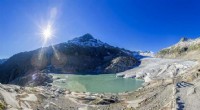
5. Snowpack and Runoff: California relies heavily on snowpack in the Sierra Nevada mountains as a natural reservoir. During the winter, snow accumulates at higher elevations and slowly melts during the spring and summer, replenishing reservoirs and rivers. However, due to rising temperatures, snowpack is melting faster and earlier, resulting in reduced surface water availability during the drier months.
6. Atmospheric Rivers (ARs): ARs are long and narrow corridors of high moisture in the atmosphere that transport moisture from the tropics to higher latitudes. These ARs typically bring heavy precipitation to California and contribute significantly to the state's water supply. Climate change is altering the behavior and frequency of ARs, affecting precipitation patterns and exacerbating droughts.
In conclusion, California's dry spell is influenced by both natural climate cycles and human-induced climate change. While climate change amplifies the severity and duration of droughts, it is not the sole cause of the state's water challenges. Addressing droughts effectively requires a comprehensive approach that considers climate variability, long-term water management strategies, conservation efforts, and adaptation to changing conditions.