1. Radiometric Dating:
- This method measures the decay of radioactive isotopes in rocks and minerals to estimate their age. Radioactive isotopes, such as uranium, potassium, and carbon, decay at a known rate, allowing scientists to determine the time elapsed since the rock or mineral formed. By measuring the amount of the parent isotope remaining and the amount of the daughter isotope formed, scientists can calculate the age of the rock or mineral.
2. Stratigraphy:
- Stratigraphy involves studying the layers of sedimentary rocks, with the oldest layers at the bottom and the youngest at the top. By analyzing the sequence and composition of these layers, geologists can determine the relative ages of different rock formations. Fossils found within these layers can provide additional information about the age and environmental conditions of the past.
3. Dendrochronology:
- This technique uses the annual growth rings in trees to determine their age. Each year, trees produce a new layer of wood, and by counting the rings, scientists can determine the exact age of the tree. This method is particularly useful for studying recent history and climate change.
4. Paleontology:
- Studying the fossil record can help determine the age of the Earth and its various periods. By analyzing the types of fossils found in different layers of sedimentary rocks, paleontologists can determine the relative ages of these layers and the organisms that lived during those periods.
5. Astrobiology:
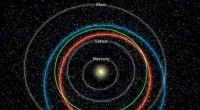
- By studying other planets and solar systems, scientists can gain insights into the formation and age of the Earth. Comparing the Earth's geological features and characteristics with those of other celestial bodies can provide valuable information about our planet's age within the context of the universe.
These scientific methods, combined with ongoing research and advancements in technology, have allowed scientists to estimate the age of the Earth to be approximately 4.54 billion years old.